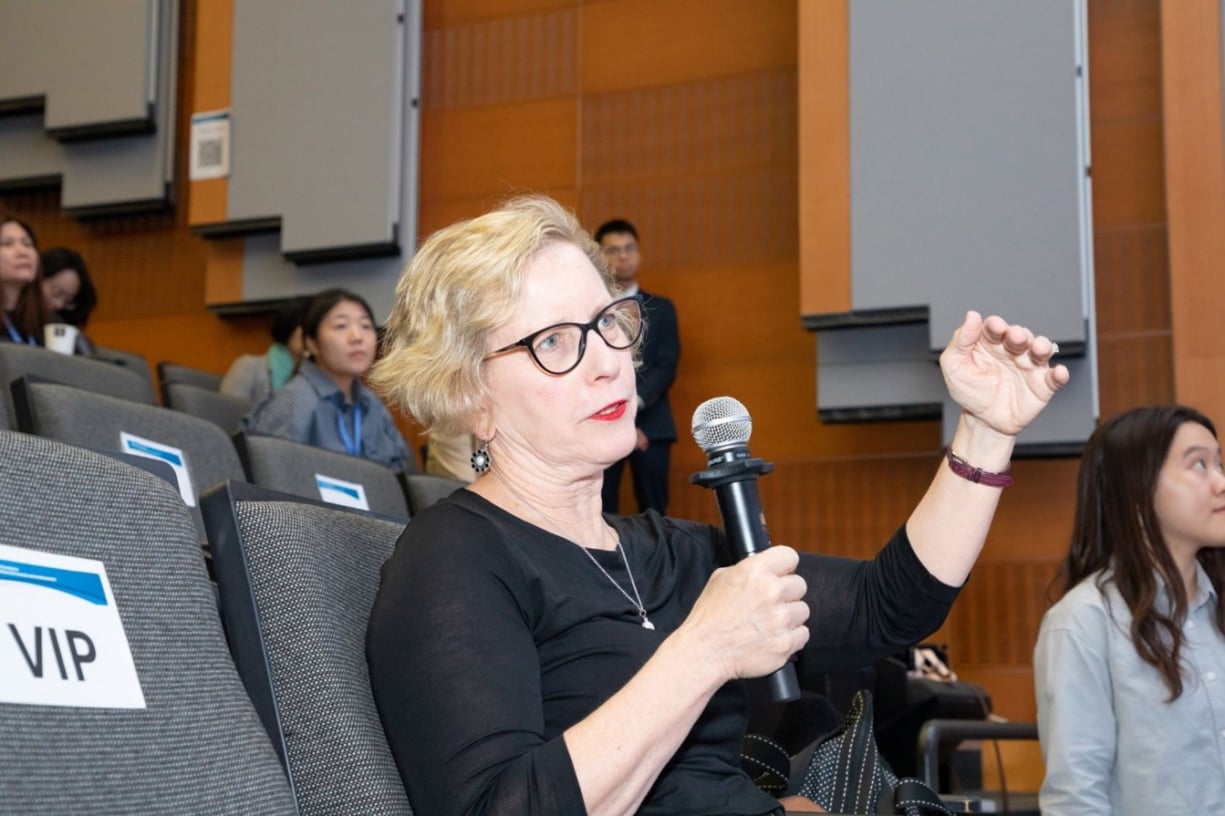
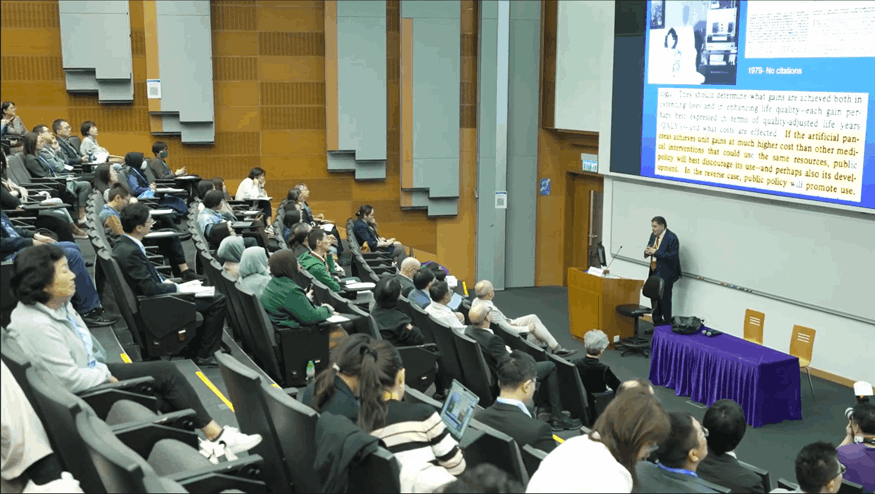
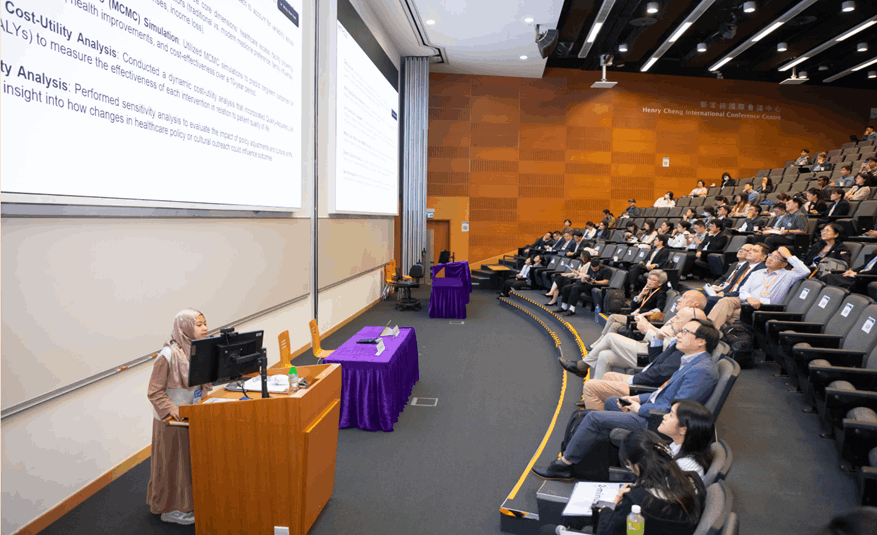
Photos from the event
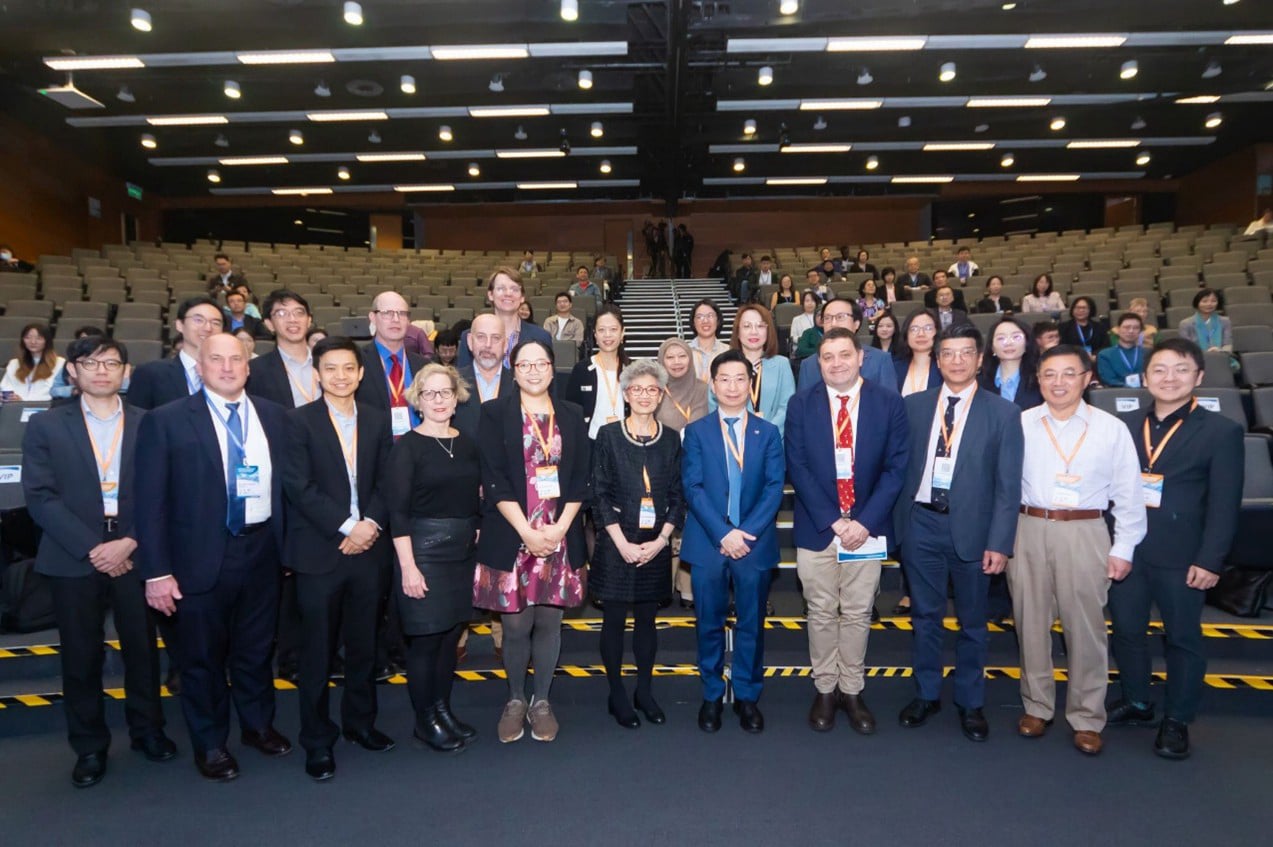
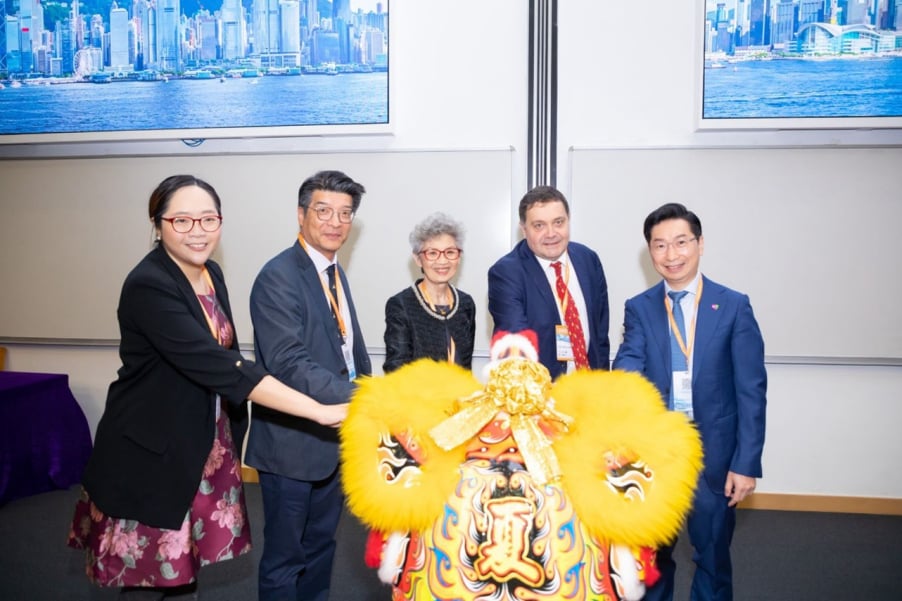
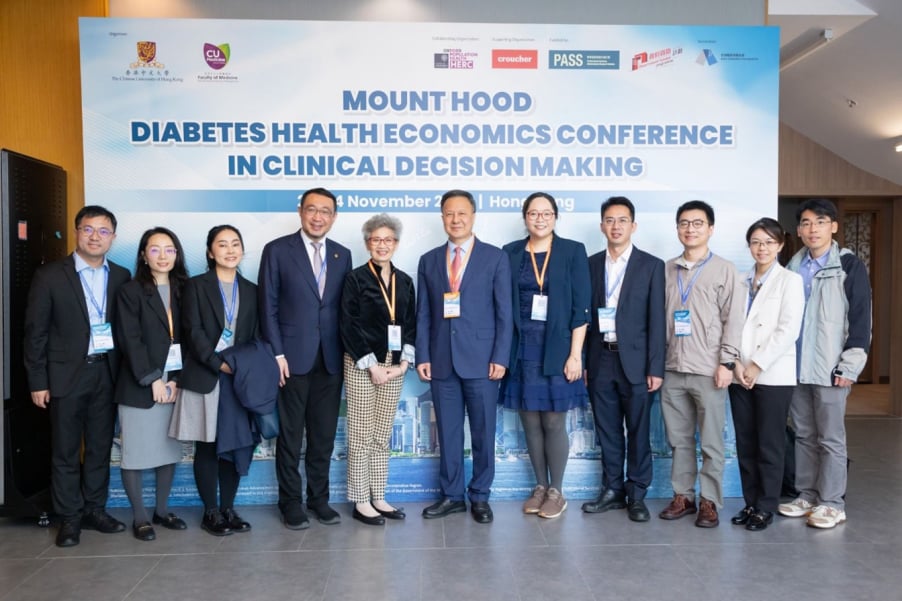
The Chinese University of Hong Kong Faculty of Medicine, successfully organized the “Mount Hood Diabetes Health Economics Conference in Clinical Decision Making 2024” over the weekend (Nov 23-24), to foster international collaborations and promote cost-effective decision-making to make healthcare sustainable.
Health economics is the science of making choices to guide effective decision-making during resource allocation to make healthcare sustainable. Chronic diseases including cardiovascular-kidney diseases, diabetes and cancer account for 70-80% of premature death with huge economic burden locally and globally. Yet, there are now major innovations including drugs, devices and technologies proven to be efficacious in reducing hospitalisations, disabilities and death.
Since its inception in 1999, the Mount Hood Conference has provided a platform for exchanging ideas between developers and users of diabetes health economics and simulation models.
“Cost-effectiveness analysis plays a crucial role in informing reimbursement decisions, designing clinical trials and improving the efficiency of healthcare. To drive medical advancements, it is vital to balance the interests of developers, payors and providers while fostering investment in innovative solutions. As part of the Greater Bay Area ecosystem, Hong Kong can leverage health economics to enhance collaborations in the prevention and management of diabetes and chronic diseases”, said Dr. Juliana Lui, Research Assistant Professor in the Department of Medicine and Therapeutics at CU Medicine and a health economist trained at University of Oxford.
“Chronic diseases pose significant challenges but there are now very powerful albeit expensive drugs which can improve long-term patient outcomes. Here, the willingness to pay depends on the perspectives of payors and patients as well as the healthcare system. These factors vary considerably amongst populations, cultures and regions and this international conference aims to provide a forum to foster knowledge exchange and collaborations,” Professor Philip Clark, a health economist from University of Oxford added.
This year’s conference has invited 17 experts, thought leaders and government officials from Australia, the UK, the USA, Singapore, Malaysia, and Mainland China including the Greater Bay Area and Taiwan to share their insights in health economics and health technology assessment through panel discussions and symposiums. We had over 400 participants from multiple sectors over the 2 days.
- The two-day conference included 2 sessions of introductory workshops, panel discussions, presentations by keynote speakers, oral and poster presentations
- The first workshop provided an overview of health economic diabetes simulation models and their allocation in clinical settings. The second workshop focused on Discrete Choice Experiment (DCE), aiming to improve patient-centred care in clinical decision-making
- All scheduled conference workshops, keynote lectures and panel discussions were delivered as scheduled. Presentations by keynote speakers on the first day highlighted the integration of health economics in diabetes management, with a focus on simulation models, AI, and the economic burden of chronic diseases. The second day explored a range of topics related to health economics, cost-effectiveness, and global healthcare practices in diabetes and NCD management
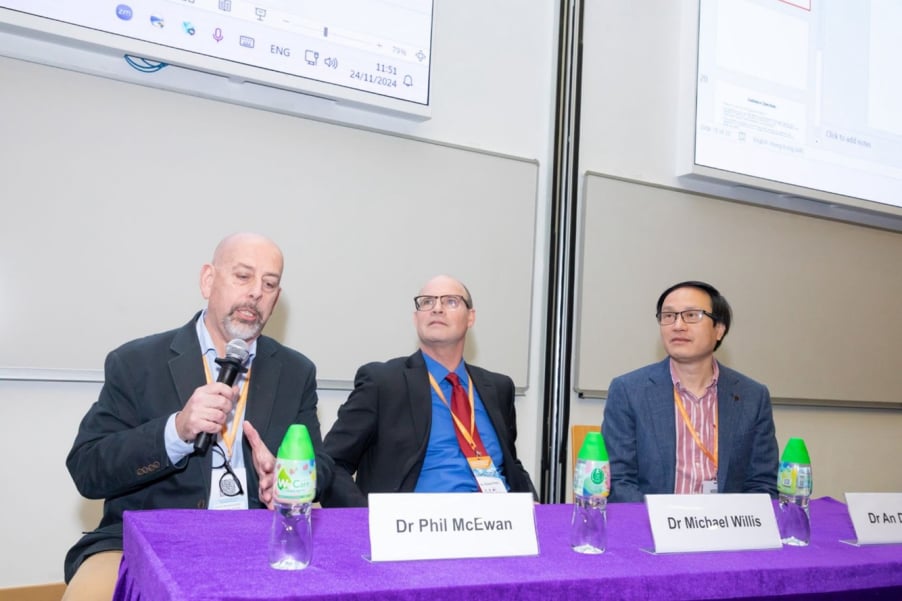
- In this panel discussion, eight panelists from different Asian countries discussed health economics and healthcare challenges arising from the increasing prevalence of diabetes and other non-communicable diseases.
- International participants strengthened Hong Kong’s image as a centre of healthcare excellence, showcasing its capacity to host prestigious conferences and events, while also boosting its global connects and providing valuable advantages to the healthcare industry
The event equipped doctors and pharmacists with essential knowledge of health economic evaluation, particularly targeting those with little or no prior experience in this field. In addition to the workshops, the main conference included panel discussions and keynote lectures, encouraging discussions among participants and promoting the exchange of ideas.
Moreover, the participation of overseas guests facilitated valuable networking opportunities and strengthened Hong Kong’s position in hosting international conferences and events, leading to the overall growth of the healthcare sector of Hong Kong.
Acknowledgement
This material/ event is funded by the Professional Services Advancement Support Scheme of the Government of the Hong Kong Special Administrative Region.
Disclaimer
Any opinions, findings, conclusions or recommendations expressed in this material/ any event organised under this project do not reflect the views of the Government of the Hong Kong Special Administrative Region or the Vetting Committee of the Professional Services Advancement Support Scheme.

HTML Builder